
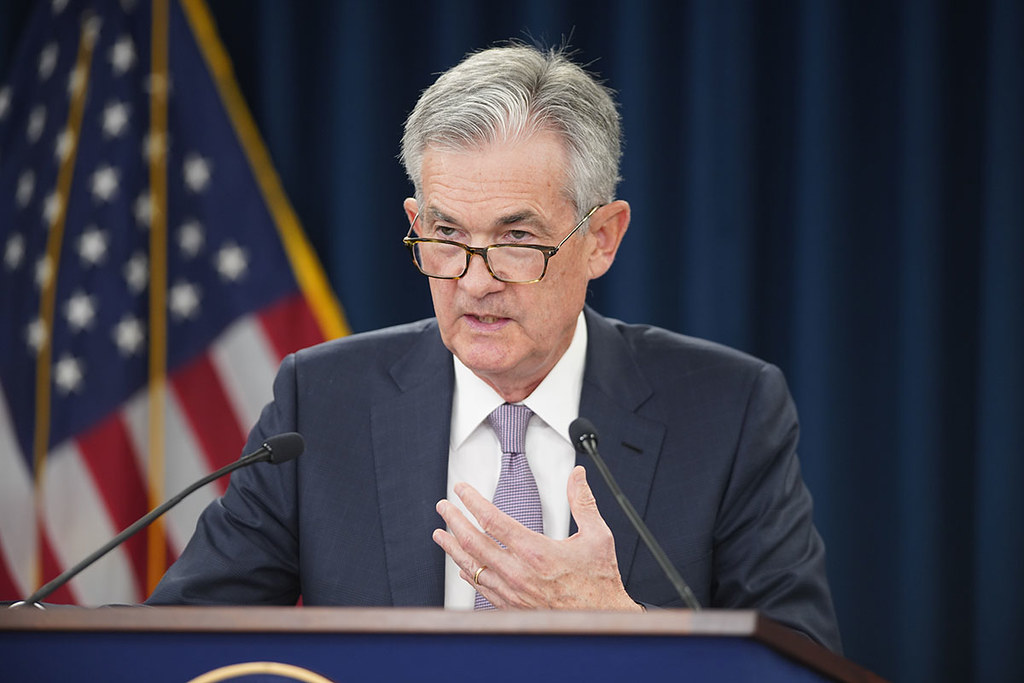
The Federal Reserve enters its final policy meeting of the year deeply divided over the appropriate course for interest rates. Market participants expect another cut on Wednesday, but internal disagreements among the committee’s voting members raise questions about whether consensus can be achieved.
Interest rates currently rest at 3.75% to 4% after the central bank implemented two consecutive half-point reductions earlier in the fall. While markets have priced in a third cut, the Fed’s decision-making process has been complicated by an unprecedented data blackout. The six-week government shutdown that closed the Bureau of Labor Statistics means officials lack October’s economic statistics entirely.
The Fed operates under a dual mandate requiring it to balance price stability against employment health. This balancing act has become particularly precarious as both inflation and joblessness trend upward. Between April and September, consumer prices accelerated from 2.3% to 3%, while the unemployment rate climbed from 4% to 4.4%.
Jerome Powell acknowledged during the October meeting that committee members hold differing views on economic forecasts and risk tolerance. Some officials prioritize addressing labor market weakness, while others remain more concerned about inflation. With only interest rates as a policy tool, the Fed cannot simultaneously tackle both challenges, forcing difficult trade-offs.
The approaching end of Powell’s term in May adds political intrigue to the proceedings. Kevin Hassett, a close advisor who serves as director of the national economic council, has emerged as a potential successor. Hassett has consistently championed lower interest rates, arguing they boost economic activity without triggering price increases. The committee’s 12 voting members will announce their decision Wednesday, concluding a year marked by unprecedented challenges for monetary policy.