
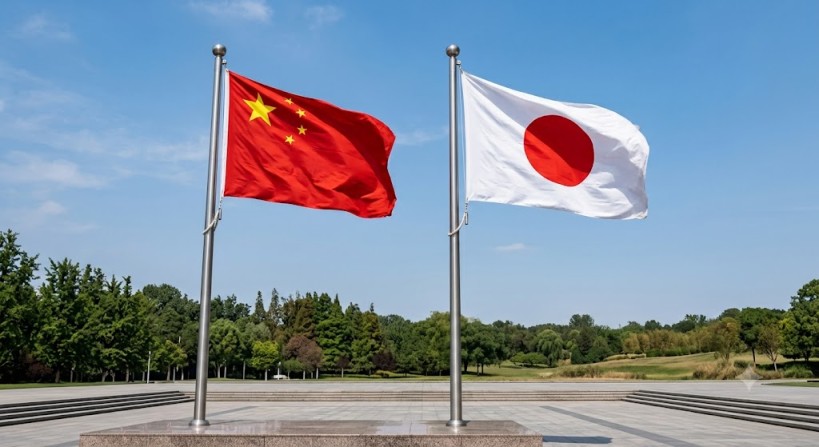
China has unveiled a set of export controls affecting 40 Japanese entities, accusing them of aiding Japan’s military expansion and efforts toward “remilitarization.” These measures target 20 Japanese companies and divisions, including segments of major firms, by restricting the sale of certain dual-use goods that could serve both civilian and military applications. An additional 20 entities are put on a watch list, requiring exporters to obtain special approvals, conduct risk assessments, and ensure the products are not intended for military use.
Beijing argues that these restrictions are essential to curb what it perceives as Japan’s burgeoning military development. China has voiced apprehensions over Japan’s enhancement of defense capabilities, particularly its focus on long-range weaponry and increased security collaboration with other nations. In response, Japan has criticized these export controls, labeling them as unacceptable, and has called on China to rescind the measures. Japanese authorities are assessing the potential impacts and considering how best to respond.
The move comes amid heightened tensions between the two countries following Japan’s expansion of its defense strategy and bolstering of military capabilities. China’s opposition has been consistent, especially concerning Japan’s policies related to Taiwan. Analysts suggest that the restrictions might serve as a diplomatic caution rather than a sweeping economic initiative, yet they underscore the fragile state of Sino-Japanese relations amidst broader regional security issues.
Japan’s defense policy advancements have been a point of contention, with Beijing frequently expressing opposition. The latest export controls by China are seen as a direct reaction to these developments, reflecting the complexities of the regional security landscape. As Japan evaluates the ramifications of China’s actions, the international community remains watchful of any further developments that could influence the balance of power and stability in the region.