
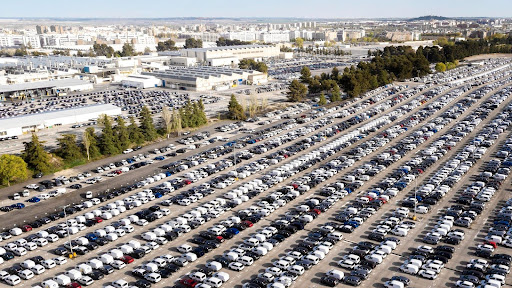
A significant shift is occurring in how China interacts with the global automotive market, moving from traditional trade to complex globalization. Automakers are increasingly focused on localized manufacturing and the establishment of overseas supply chains. This change ensures that Chinese brands are not just visitors in foreign markets, but permanent fixtures of the local economy.
Last year, the country achieved a milestone by exporting over 7 million vehicles, a sharp rise from previous years. This achievement marks the third year in a row that China has led the world in vehicle exports. The diversity of the fleet—comprising both domestic marques and global joint ventures—shows the breadth of China’s manufacturing capability.
The explosion of New Energy Vehicles (NEVs) has been the standout feature of this recent success. In just one year, NEV exports doubled to 2.61 million units, representing a vital portion of the total export volume. This trend is likely to continue as more countries transition away from internal combustion engines.
Industry think tanks emphasize that the Chinese domestic market, while massive, is approaching a plateau. With a projected growth rate of only 1% starting in 2025, the pressure to find new revenue streams abroad is intense. Success is now measured by how well a company can operate across diverse regulatory and economic environments.
This strategy mirrors the successful blueprints of companies like Toyota and Volkswagen, which maintain vast production networks outside their home countries. By decentralizing production, Chinese automakers can better manage global capacity and reduce their dependence on a single market. This localized approach is the key to their long-term global ambitions.