
During crisis talks in Brussels this Monday, a coalition of EU energy ministers firmly ruled out any return to Russian gas imports as a solution to the current price shock. Germany, Romania, and Sweden led the charge against the proposal, which had been floated by Hungary as a way to curb soaring costs. The ministers insisted that the bloc’s energy security depends on moving away from “insecure” suppliers, even as Middle East tensions drive prices to record highs.
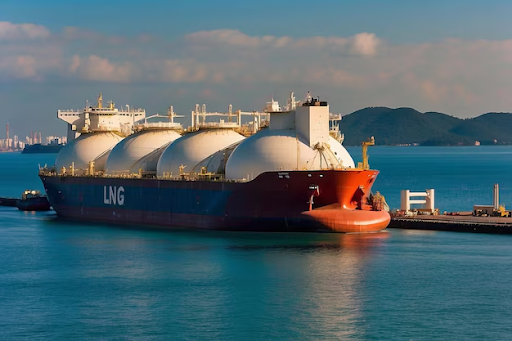
The refusal to look East comes as Europe grapples with a 50% rise in natural gas prices following the outbreak of war between the U.S., Israel, and Iran. The disruption of the Strait of Hormuz has essentially halted the flow of LNG from Qatar, forcing Europe to rely heavily on more expensive American and Norwegian alternatives. This shift has put a massive strain on industrial sectors and household budgets across the 27-member bloc.
European Energy Commissioner Dan Jorgensen stated that the EU’s strategy will focus on short-term, targeted aid rather than reversing long-term climate or security goals. The European Commission is currently vetting measures such as lowering energy taxes and providing direct subsidies to the most affected businesses. These proposals are meant to be temporary fixes that avoid a messy restructuring of the continental electricity grid.
The meeting also touched on the role of the EU’s carbon market in the current crisis. Some Southern European nations are pushing for a suspension of the Emissions Trading System (ETS) to lower the operational costs of power plants. However, Central and Eastern European representatives have signaled that they cannot afford to lose the tax revenue that the system generates for their national budgets.
As the Thursday summit looms, the shortlist of options provided by Ursula von der Leyen will be the focus of intense negotiation. The goal is to provide a unified response that prevents internal market distortions while addressing the massive 6-billion-euro increase in the EU’s energy import bill. For now, the bloc remains committed to its green transition, viewing it as the only long-term path to energy independence.