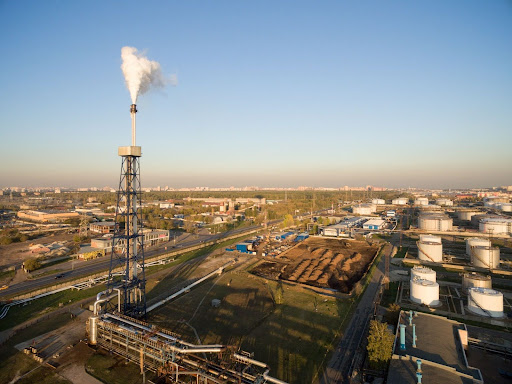
Faced with a burgeoning energy crisis sparked by the US-Israel war on Iran, the Trump administration has issued a 30-day waiver on certain Russian oil sanctions. The “temporary authorization” is specifically designed to release millions of barrels of oil currently floating in limbo on the high seas. Treasury officials stated the move is necessary to protect the global economy from the “unsettling” effects of the conflict in the Middle East.
The primary driver of the price surge is the near-total shutdown of the Strait of Hormuz, a vital passageway for seaborne energy. Iran’s aggressive stance against US and Israeli military operations has led to a standoff that threatens to decouple the global energy market from traditional supply chains. With tankers unable or unwilling to navigate the mined waters, the world is looking for alternative sources of crude.
By allowing the sale of 124 million barrels of stranded Russian oil, the US is attempting to create a temporary supply bridge. Secretary Scott Bessent clarified that this is not a permanent lifting of sanctions, but a “short-term measure” targeting oil already in transit. The move follows a similar recent allowance for Indian refiners, signaling a broader strategy to prioritize market stability.
However, the decision has drawn sharp criticism from some European allies who believe it undermines the collective effort to isolate Russia. French President Emmanuel Macron led the pushback, arguing that the Iranian conflict should not be used as an excuse to weaken pressure on Moscow. Russia, conversely, viewed the move as an inevitable acknowledgement of its essential role in the global energy sector.
President Trump continues to balance his foreign policy objectives with domestic economic pressures. On social media, he has emphasized his commitment to preventing Iran from obtaining nuclear weapons, even at a high cost. However, with fuel prices up 65 cents per gallon in 30 days, the administration is under intense pressure to deliver relief before the midterm elections.