
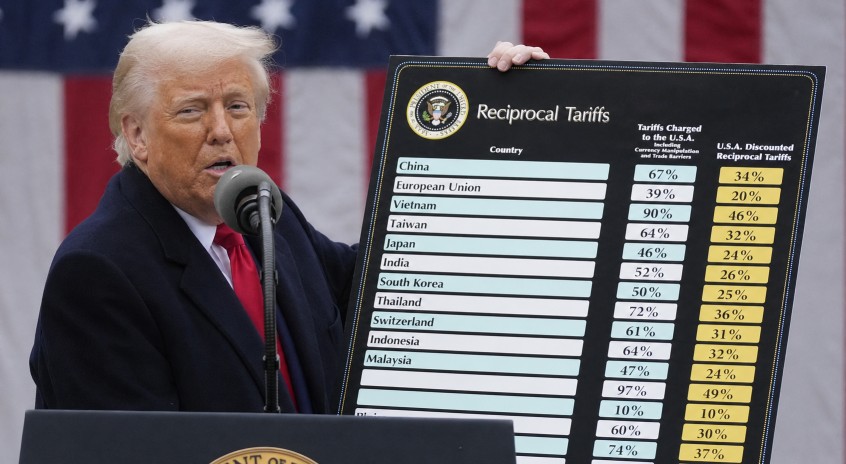
In a significant development in trade policy, US President Donald Trump has unveiled a fresh series of tariffs targeting imports from over 80 countries. This move succeeds the temporary 10% global tariff that lapsed earlier this week. The newly imposed tariffs, which range from 10% to 12.5%, will affect imports from key trade partners such as the United Kingdom, European Union member states, Canada, Mexico, Australia, India, and China. The administration cites Section 301 of the US Trade Act of 1974 as the legal basis for these tariffs, aiming to curb forced labor practices in global supply chains.
US Trade Representative Jamieson Greer emphasized that the US expects its trading partners to tighten restrictions on imports linked to forced labor. This latest announcement comes on the heels of a US Supreme Court ruling from earlier this year, which questioned the legality of previous tariffs implemented under emergency powers. As a result, the administration has sought an alternative legal foundation to continue its trade policy measures.
However, the decision has not gone without criticism from international allies. Australia and Brazil have described the tariffs as unwarranted and intend to push for their removal. Meanwhile, the European Union has sought clarification from the United States, expressing surprise at the sudden imposition. Canada, which argues that it already upholds stringent measures against forced-labor imports, has called for a collaborative global approach rather than unilateral actions.
Trade experts have raised concerns about whether the president possesses the constitutional authority to enact such broad tariff measures without the approval of Congress. Some legal analysts anticipate that these new tariffs could face additional court challenges. Domestically, President Trump’s tariff policies continue to evoke mixed reactions. Recent surveys reveal that many Americans attribute the tariffs to rising consumer prices, although the administration maintains that its trade strategies have bolstered the US economy and safeguarded local industries.
This latest round of tariffs injects another layer of uncertainty into the global trade landscape as various governments evaluate their economic repercussions and deliberate on possible countermeasures. The unfolding situation underscores the complexity and contentiousness of international trade relations under the current US administration.