
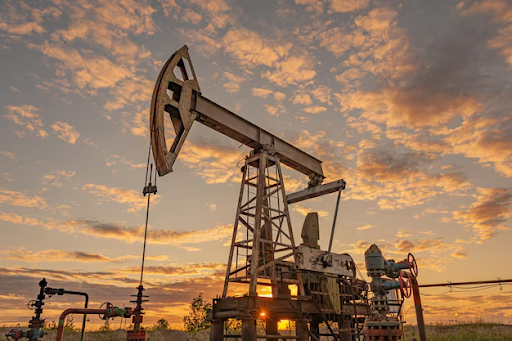
As the conflict in Iran continues to disrupt global energy flows, financial experts are projecting a massive influx of cash for the American oil industry. Consultancy firm Rystad Energy estimates that U.S. oil companies could see a $63.4 billion boost in their bottom lines if current price levels persist. This projection comes as ExxonMobil and Chevron reach some of the highest market valuations in their respective histories.
The primary driver of this windfall is the “price-to-risk” premium that has been added to every barrel of oil since late February 2026. With the international benchmark briefly hitting $117, the profit margins for major producers have expanded significantly. Even with the associated costs of navigating a war zone, the net gains for the “super majors” are expected to be historic in scale.
Wall Street analysts, including those at Goldman Sachs, have noted that the current situation is unique due to the speed of the price escalation. Unlike previous shocks, the 2026 crisis involves direct strikes on major producing nations, creating a high degree of uncertainty. This uncertainty translates directly into market value for companies that can maintain a steady supply to global markets.
However, the prospect of these massive profits has brought intense political scrutiny. Campaigners are pushing for a “strong windfall tax” to be implemented immediately to prevent the industry from capitalizing on the human cost of the war. They argue that the profits should be redirected to support the clean energy transition, rather than simply enriching shareholders during a time of global suffering.
The debate over windfall taxes is expected to intensify as companies begin to report their first-quarter earnings for 2026. If the projections hold true, the pressure on governments to act will be immense. The outcome of this debate will likely shape the relationship between the energy industry and the state for the remainder of the 15th Five-Year Plan.