
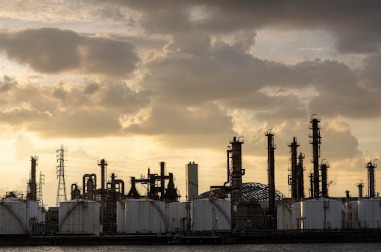
US equity markets finished Monday on a high note, defying the grim geopolitical reality of airstrikes and burning refineries in the Middle East. The Dow Jones jumped over 200 points as investors pivoted from early-morning fear to afternoon optimism regarding the duration of the Iran conflict. While the morning was defined by “apocalyptic” reports from the Iranian capital, the afternoon was defined by a rapid sell-off in oil futures.
The market’s initial dive was prompted by news that five energy hubs near Tehran had been decimated by aerial bombardment. This military escalation led to an immediate 29% surge in Brent crude, hitting the sensitive $100 per barrel mark. European markets, including the FTSE 100 and the DAX, suffered significantly, as they closed before the late-day recovery seen in New York.
President Trump’s social media activity played a central role in shifting the market narrative throughout the day. By labeling the destruction of Iranian assets as a “complete” success, he signaled to the markets that the most intense phase of the war might be over. This rhetoric helped pull WTI crude back down to $86, providing relief to transport and manufacturing stocks that had been hammered hours earlier.
The crisis has nonetheless forced several nations to take drastic measures to protect their internal markets. South Korea’s President, Lee Jae Myung, warned that the reliance on Middle Eastern trade is currently a significant burden on the national economy. Meanwhile, Bahrain’s declaration of “force majeure” on oil shipments served as a stark reminder of the legal and logistical complications arising from the regional war.
The outlook for the coming weeks hinges on the accuracy of the US Energy Department’s timeline for recovery. If the disruption is indeed limited to a few weeks, the global economy may avoid a deep recession. However, if the Strait of Hormuz remains impassable, the predicted climb toward $150 per barrel could become a reality, testing the limits of global financial resilience.