
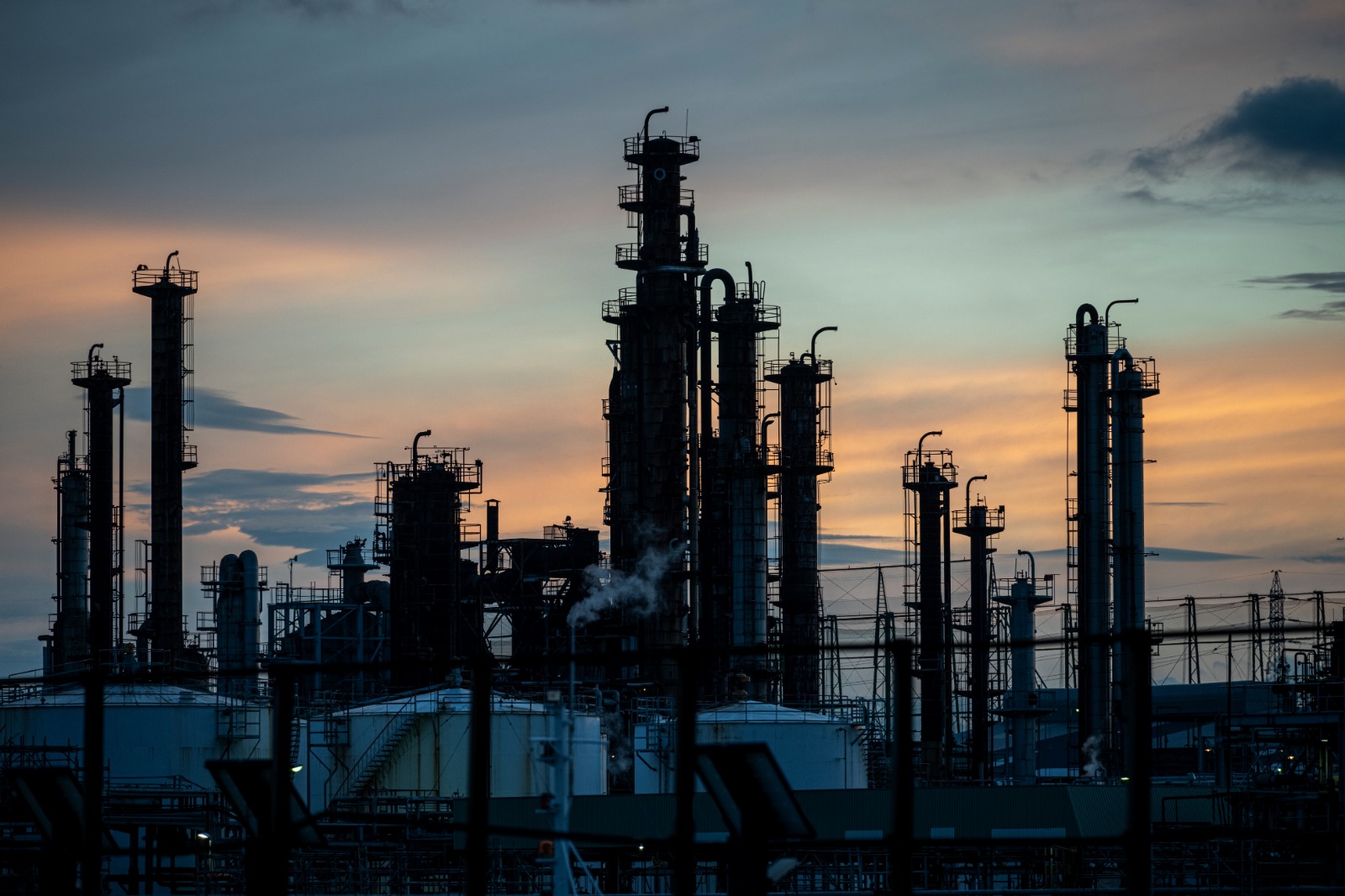
A coordinated campaign of strikes against Middle Eastern energy hubs has pushed Brent crude to $100.29, marking a significant escalation in the ongoing regional war. Iranian military officials have targeted fuel tanks, tankers, and ports, deliberately aiming at the economic foundations of the region. These actions have effectively neutralized the market-calming effects of a massive 400-million-barrel reserve release sanctioned by the IEA.
The volatility began in earnest on Monday when prices briefly touched $119 before fluctuating wildly on conflicting political rhetoric from the White House. The underlying trend, however, remains sharply upward, moving from $60 at the start of the year to nearly double that today. The intentionality of the strikes—targeting sites in Bahrain, Iraq, and Oman—suggests a strategy designed to maximize global economic pain.
Regional giants like Saudi Aramco are now warning of a potential global catastrophe if the blockade of the Strait of Hormuz persists. Since February 28, this critical passage has been largely impassable, cutting off 20% of the world’s oil and gas supply. The shift of Omani vessels away from export terminals further highlights the breakdown of traditional trade routes in the face of persistent drone and missile threats.
The financial sector is reacting with growing alarm, as the specter of stagflation looms over the global recovery. Analysts from Deutsche Bank point out that the lack of any clear de-escalation path is forcing investors to prepare for long-term damage to the global supply chain. In response, firms like Goldman Sachs have already moved their price targets higher for the remainder of the year and beyond.
In Washington, the administration is moving forward with a plan to tap the Strategic Petroleum Reserve, promising to release 172 million barrels starting next week. U.S. officials maintain that these moves will eventually “substantially reduce” prices, though the timeline for delivery is estimated at 120 days. As the geopolitical chess match continues, the world watches to see if emergency stockpiles can truly replace lost regional production.