
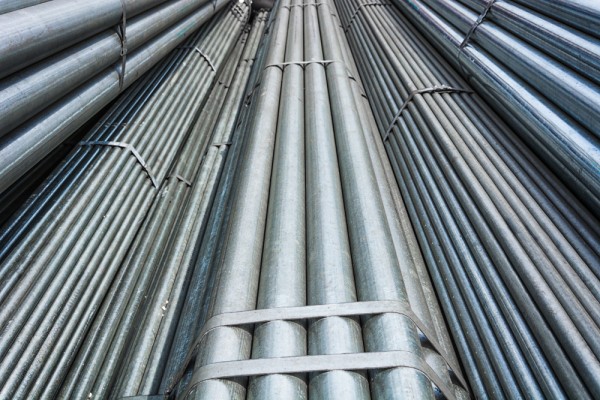
The UK government is preparing to contest the European Union’s proposal to significantly cut tariff-free steel imports, expressing concerns that such changes could have a detrimental effect on British steel manufacturers and bilateral trade relations. Business Secretary Peter Kyle is slated to discuss the issue with EU Trade Commissioner Maroš Šefčovič during their meeting in Brussels. This comes amid growing apprehension over new steel safeguard measures that are scheduled to be implemented on July 1.
According to the proposed regulations, the EU intends to reduce overall tariff-free steel imports from non-EU countries by nearly 50% compared to the levels in 2024. British steel producers have voiced concerns that this could severely hinder their exports to the European market. Concurrently, the UK is setting up its own steel import quota system following Brexit, which has raised alarms among European steel producers about potentially limited access to the British market. Industry bodies on both sides have expressed that these new restrictions could disrupt well-established supply chains.
The intention behind these measures is to protect domestic steel industries from heightened competition, particularly from producers in China. However, industry representatives argue that the stricter quotas could lead to unforeseen economic repercussions for both the UK and the EU, while failing to adequately address broader challenges in the global market. There is also apprehension that reduced trade between the UK and EU might hamper cooperation, especially at a time when both are looking to bolster their manufacturing sectors and address unfair competition.
Despite these tensions, industry groups from both the UK and EU have shown a willingness to pursue a negotiated solution that would maintain strong trade relations. This potential agreement would aim to offer preferential treatment for steel trade between the two regions, acknowledging their highly integrated markets. The emphasis remains on finding a resolution that supports both economies while addressing the concerns of domestic industries on either side.